


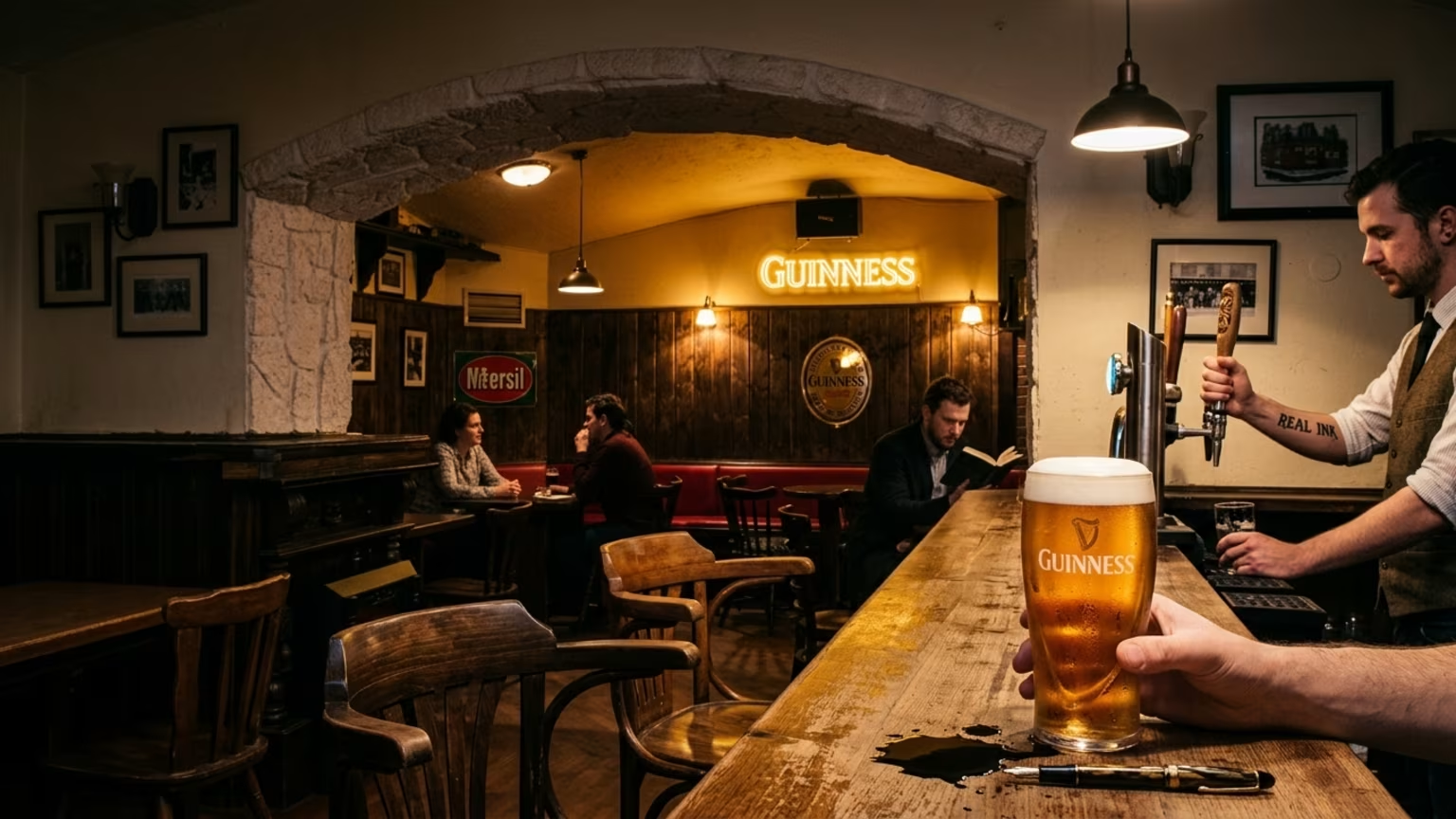
Real Ink and Proper Pints Prove Pubs Do Not Need AI

Deciding Between Interactive Audience Participation and Relaxed Spectator Munich Pub Outings
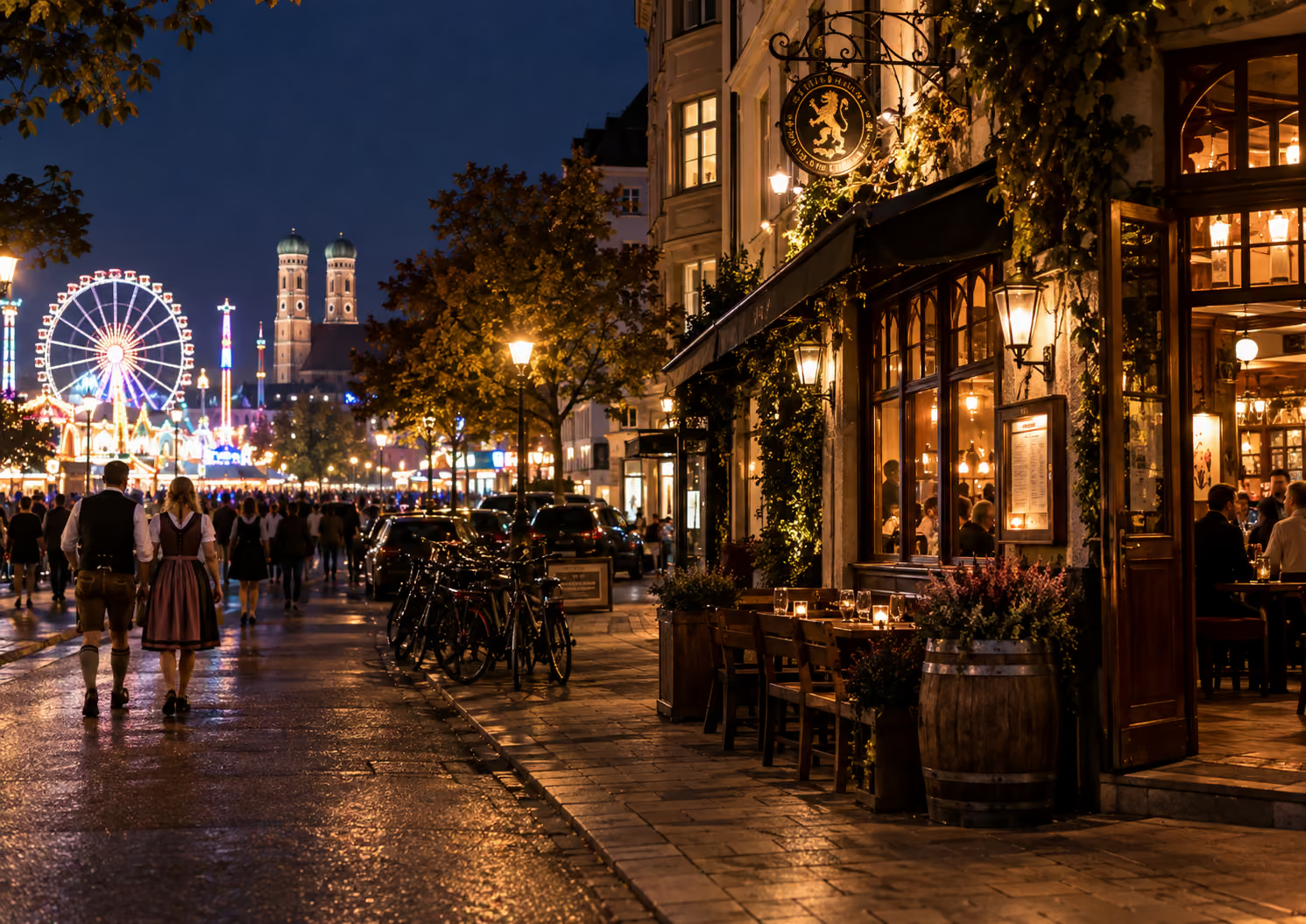


The myth is that you need a ready-made team and an encyclopedic memory to join a pub quiz in Munich. The correction is simpler: someone arriving alone can ask about joining a team, and taking part need not mean knowing everything.
A solo place needs confirming with the organiser. Team sizes, booking requirements and playing rules also belong to the individual event rather than to Munich as a whole.
Our view at Shamrock is that a quiz should give people something to talk about. Getting an answer right is lovely. Having a good argument about a possible answer can be half the fun, provided nobody turns the table into a courtroom.
We think the misconception starts with the word “quiz”. It brings the school-test picture to mind: questions, correct answers and the fear of looking daft. Add the word “team” and it is easy to picture an established group with no room for a newcomer.
That picture puts all the attention on performance. It leaves out the conversation around the question and the simple pleasure of having something shared to do. This is our reading of the myth, not a reason to treat every quiz as the same kind of evening.
We have been part of Schwabing nightlife since 1989. Our pub life includes conversation and participation alongside the drinks. For us, a quiz belongs in that setting rather than behind an imaginary entrance exam.
You do not have to approach the evening as an audition for the cleverest person in Munich. We would rather put the emphasis on joining in without taking yourself too seriously.
The broad idea is straightforward: people play in teams and work through questions. A quiz-format guide recommends teams of four to six and suggests picture and music rounds as possible formats.
Those recommendations help explain what a quiz might look like. A picture round could be part of the evening, as could questions built around music. They are examples from a format guide rather than a description of Shamrock’s quiz.
For a newcomer, the practical point is to separate the basic idea from the event details. Understanding that there are teams and questions gives you the outline. The organiser supplies the actual format.
Useful questions include:
Asking these questions is preparation, not overthinking. There is no prize for arriving with rules borrowed from a completely different pub.
The useful first move is a direct question to the pub or event organiser. Say that you would like to take part and that you are coming without a team. Ask whether joining an existing team is possible.
Keep the enquiry simple:
That gives the organiser the information needed to answer your actual question. Asking whether there is a quiz is not quite the same as asking whether there is a way for you to take part alone.
If you are also asking about a table, mention the team question in the same message. It keeps the two matters clear without assuming that one answer covers both.
For Shamrock, our quiz event information is a useful starting point. The relevant question for someone arriving alone remains about taking part with a team.
Language deserves its own question when choosing an evening out. For a mixed-language group, it makes sense to check how questions are presented rather than leave that detail until everyone is sitting down.
At Shamrock, we run our Thursday Pub Quiz in both English and German. Every question is asked in both languages. That means locals and visitors can take part alongside expats and mixed-language teams without one half of the table being left out of the question.
We see that as a practical part of participation. The question itself should be available to both language groups before anyone starts arguing about the answer. There is plenty of room for disagreement after that.
Our guide to playing with English-speaking and German-speaking teammates gives more context for that kind of evening.
For us, the aim is not to make everyone sound the same. It is to give the table a shared question to get stuck into.
A dated listing is useful evidence of an advertised event. It is not a standing invitation for every future week.
For example, a third-party listing advertised Pubquiz at Bar Rennbahn Schwabing for October 12, 2026, at 19:00 with €6 entry. That date has passed. The listing does not establish an ongoing weekly schedule.
The practical lesson is to check the date before building an evening around a search result. Then confirm the current event details with the venue, including any entry price and booking arrangements.
Keep that check separate from your team enquiry. Knowing when an event starts answers one question. Knowing whether you can join a team answers another.
A friendly dispute is one thing. Treating a possible answer as a personal insult is another.
Our preference is simple: argue the idea rather than the person suggesting it. Someone can be confidently wrong without needing a public trial. Equally, a quiet suggestion deserves consideration without its owner having to deliver a lecture.
Ask the organiser how answer challenges are handled. Include phone use in your rules questions rather than deciding for yourself that checking something is harmless. The same goes for scoring queries and tie-breaks.
These are questions to settle with the event organiser, not rules to invent at the table. Once the process is clear, there is less reason to turn a disagreement into the main entertainment.
We like the banter side of a quiz. That is an editorial preference, not a claim that every player values conversation more than the score. There is room to care about an answer without making the whole evening depend on it.
A welcoming first pub quiz starts with checking the event and asking about a team, not with proving that you already know all the answers.
Two languages in one recurring pub quiz give German-speaking and English-speaking teammates a way to take part together at Shamrock. For people seeking a bilingual quiz in Munich, that format brings both language groups into a shared pub evening in Schwabing rather than making the group choose between them.

